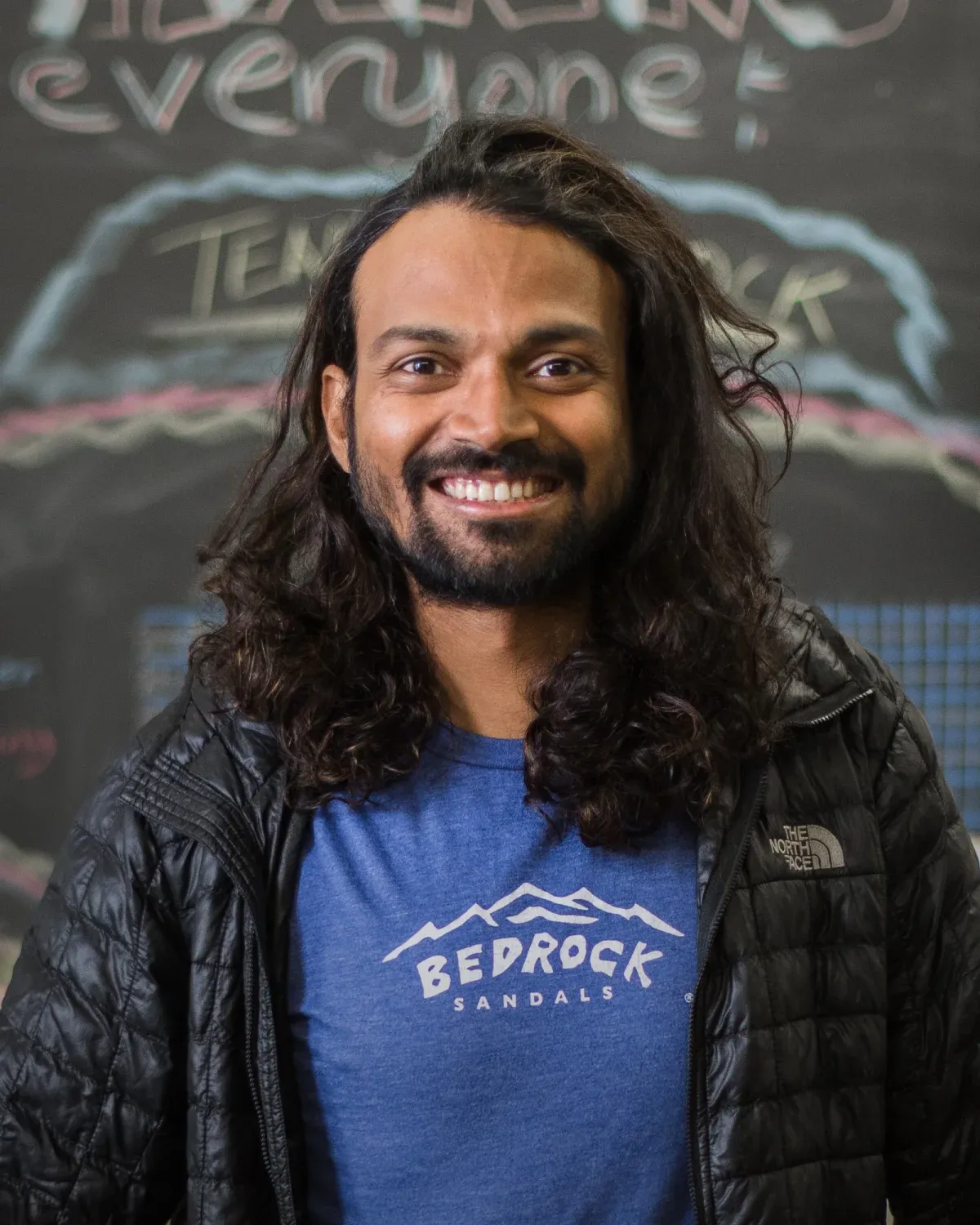
About me
I’m Naresh, a software engineer and technical leader. I build and run the systems behind businesses and communities, and I care as much about quality as speed. Beyond the screen, I’m an endurance athlete, and the long roads have shaped how I prepare, work with people, and see the world. I’m from Chennai, India, and now live in St. Louis, Missouri.
Making the next step clear
I’m comfortable working with people who know their business deeply but don’t speak in technical terms. I listen, ask questions and work through what they’re trying to achieve, then translate those needs into requirements and a system design. Explaining the choices is part of the work: people should understand what we’re building, why, and what the tradeoffs mean for them.
My career began in technical support at Dell. I worked with enterprise staff who needed help troubleshooting servers, often without a technical background. I had to explain each step clearly, listen to what they observed and use that information to identify the right replacement parts.
Years later, GVRAT and Circumpolar Race Around the World (CRAW) participants came with different questions: how to log miles, correct an entry or find the right place on the website. I supported people from around the world with different levels of confidence using online tools. Much of that support happened in writing. A familiar task for me could be an unfamiliar one for the person asking.
I pay attention to how I learn and process unfamiliar information, and to how other people make sense of it. That helps me recognise where my own understanding needs more work and adapt an explanation to the person I’m speaking with. Knowing the subject and helping someone else understand it are both part of the job.
From understanding a problem to running a system
Over twenty years, my work has taken me through support, software testing, development, technical project management and release management. At Cerner, Cognizant and VMware, I worked across healthcare records, enterprise systems and cloud software, helping teams across India and the United States deliver together.
In 2020, during lockdown in India, race directors whose ultramarathons I had run asked for help. Their virtual race across Tennessee had planned for 2,000 runners; more than 19,600 signed up. I built the website, activity processing, runner maps, certificates and email communications, with registration and payments handled by RunSignup. The work continued beyond launch, through participant support and further events.
Today I work with founders and small teams, building and operating the technology they need. I also run the platform supporting Big’s Backyard Ultra’s network of affiliated races. I build with AI coding agents and take responsibility for reviewing and testing the result. Explore the work or read how I build.
When the route changes
Endurance sport is part of my life. At the Silk Road Mountain Race in Kyrgyzstan, a torn tyre left me far from the nearest town. I reinforced it with my sailcloth wallet and rode about a hundred miles through the Tian Shan to the finish.
On the Chennai-to-Hamburg expedition, going through Pakistan turned out to be difficult: visas were hard to get, and I wouldn’t have been able to ride the whole way past Quetta. Once I realised that, I secured an Iran visa at the Iranian embassy in Mumbai and rerouted through Oman. The destination stayed the same; the plan had to change.
These journeys have shaped how I prepare and respond when things go wrong. I break a long effort into manageable stages, reassess when conditions change and ask for help when I need it. Commitment includes knowing when to recover or change direction.
What endurance taught me about work
Long journeys gave me a lot of practice at a few habits. Here is where each one shows up in my work.
- Prepare for what goes wrongMy career began in support and software testing, where the job is to find what breaks before someone else does. I still plan that way.
- Stay for the long haulGVRAT has run every year since 2020, and Bedrock Sandals has trusted me with its security and infrastructure since 2012. In 2026 I became its fractional CTO.
- Use what you haveIn the Tian Shan, my wallet became the tyre repair. When 19,600 people signed up for a race planned for 2,000, we kept entries open and built for them.
- Keep a sustainable paceSmall, reviewed steps instead of heroic sprints. This site was built one change at a time, each checked before the next.
- Own the outcomeNothing ships without my sign-off, and every sentence on this site was checked against my own notes.
- Go further togetherMore than 500 people have taken the empty seat on my tandem. For GVRAT and CRAW, I answered runners’ questions myself.
Endurance doesn’t make anyone a better hire by default. It’s simply where I practised these habits; the work is where you can check them.
The longer version: ten things multi-day endurance taught me about work
A seat for someone else
In 2014 I stepped away from the corporate world and moved to New Zealand. In 2016 I founded Freedom Seat. I ride a tandem bicycle against human trafficking, leaving the back seat open and inviting strangers to join me.
More than 500 people have joined across 15 countries and 17,000+ km. Together, we’ve raised $250,000 for partner organizations working on prevention, prosecution and survivor rehabilitation. The empty seat gives someone a way to participate, even for a little while. Read about Freedom Seat and its partners.
I also speak at schools, libraries, Rotary clubs and companies about resilience and execution, with about 50 talks across New Zealand, India and the United States. Many of the conversations I value most have begun on a trail or beside a bicycle.
Live small, adventure lots.The motto I live by.
Along the way
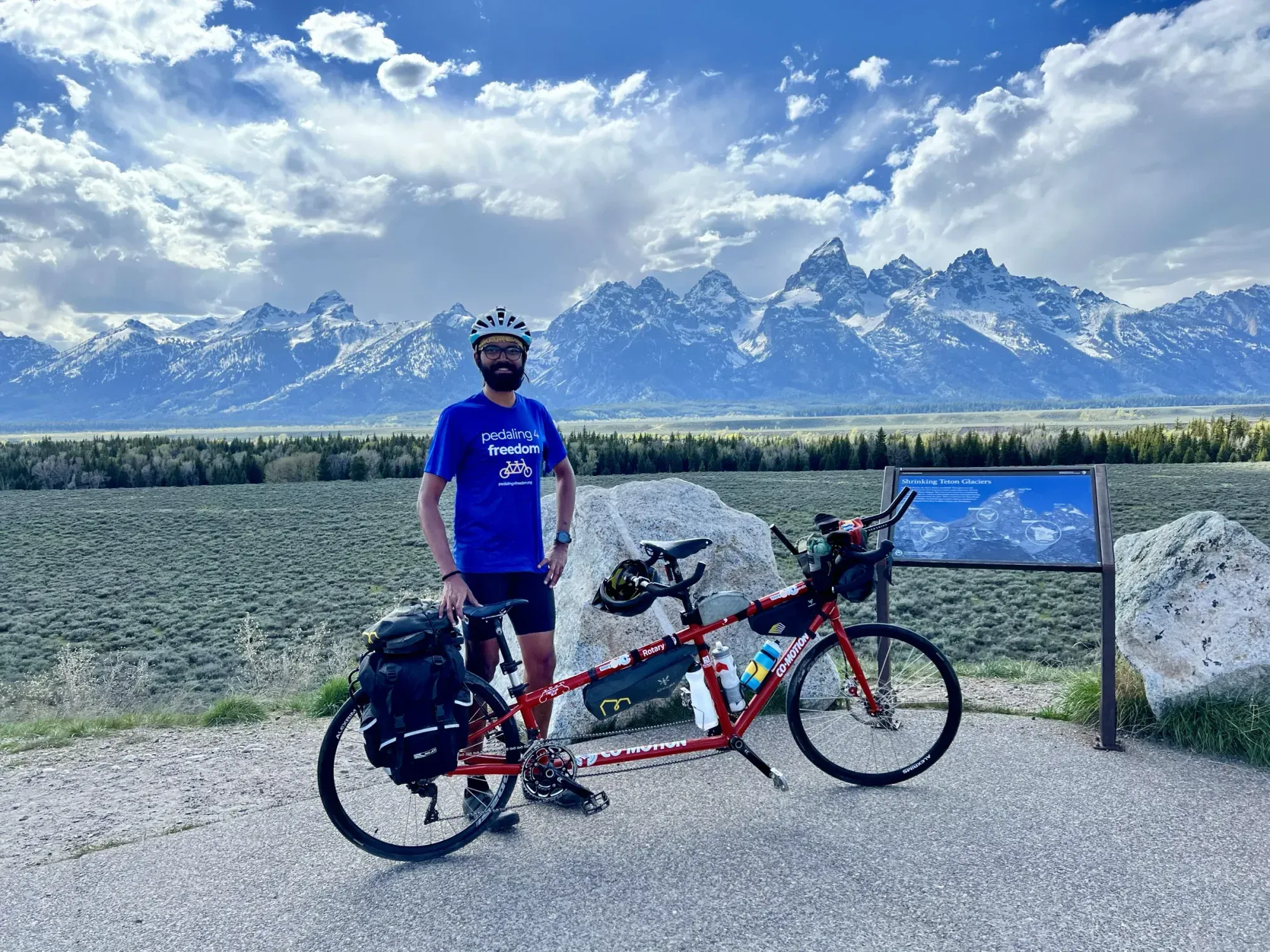
Teton Range, USA, 2024 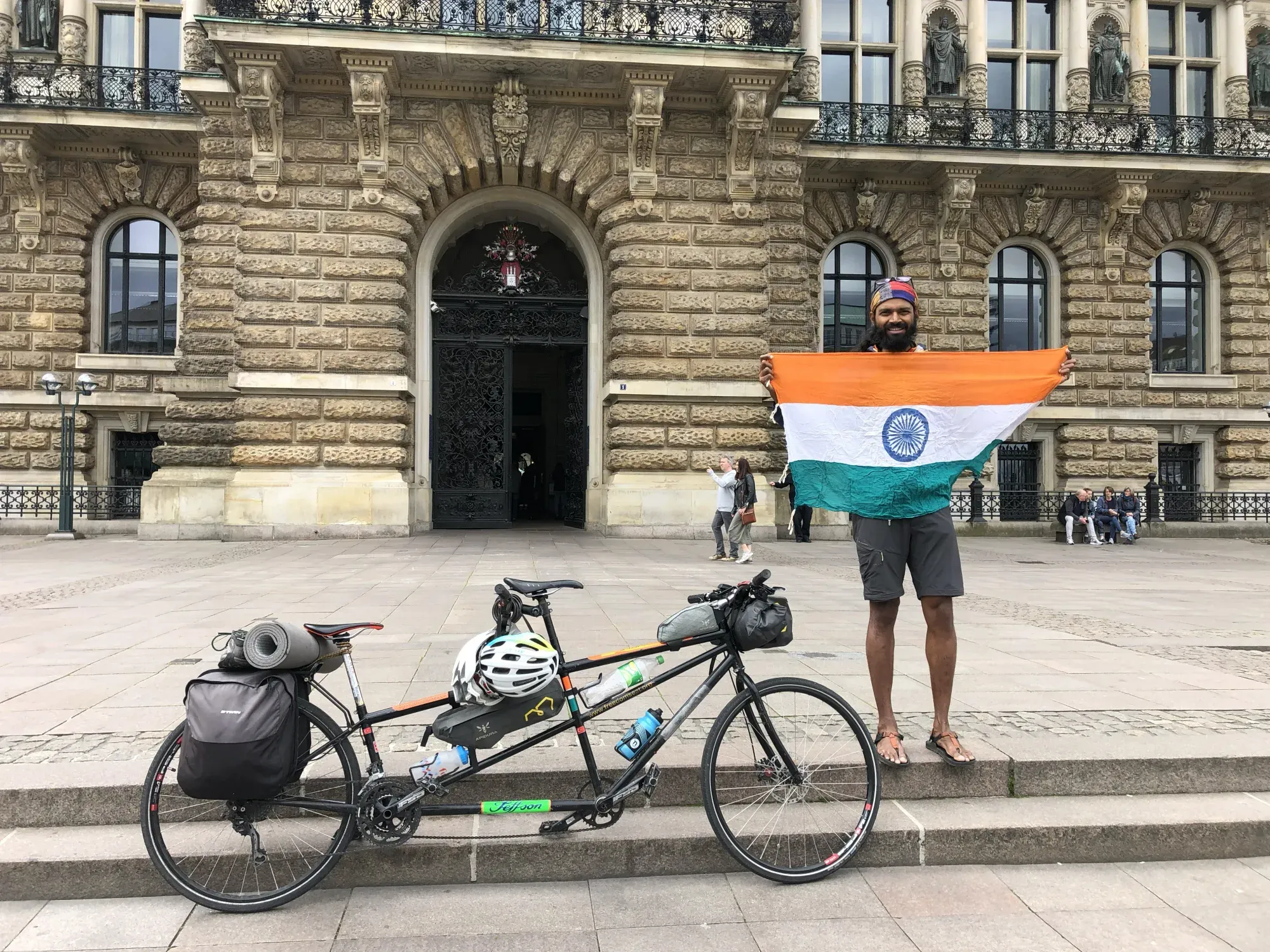
Chennai to Hamburg, 2019 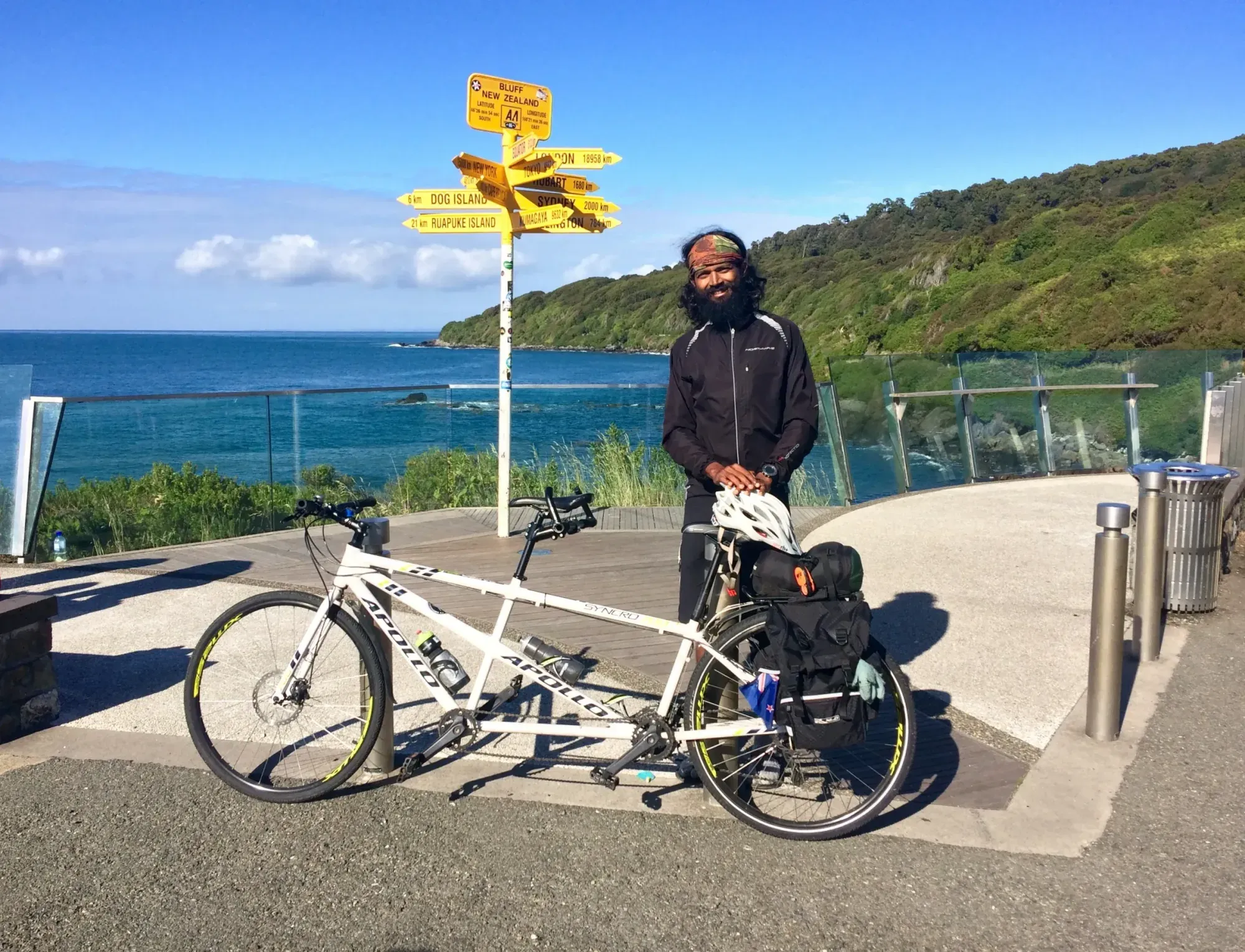
Bluff, New Zealand, 2017 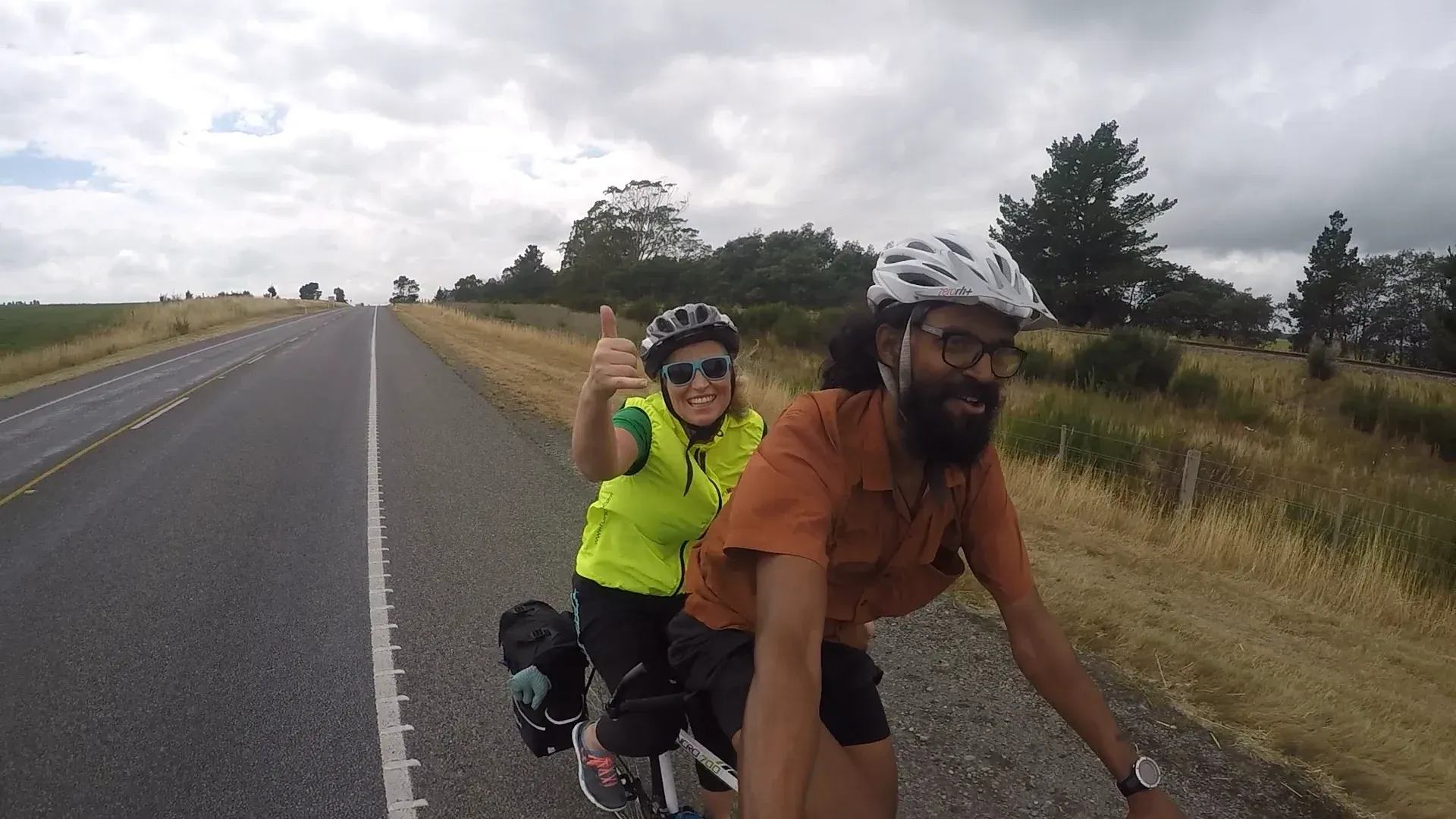
Freedom Seat New Zealand, 2017 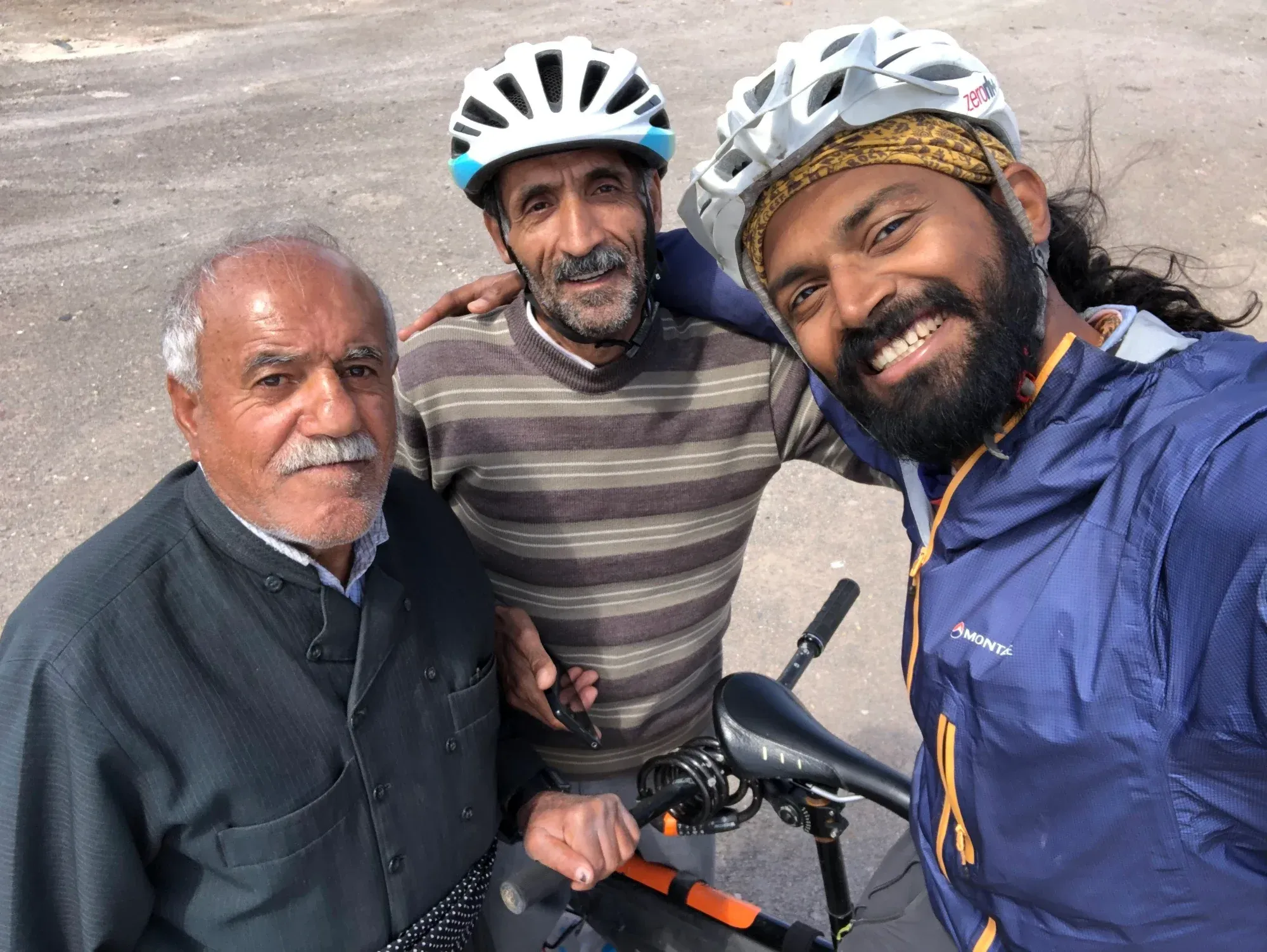
Two new friends on the road 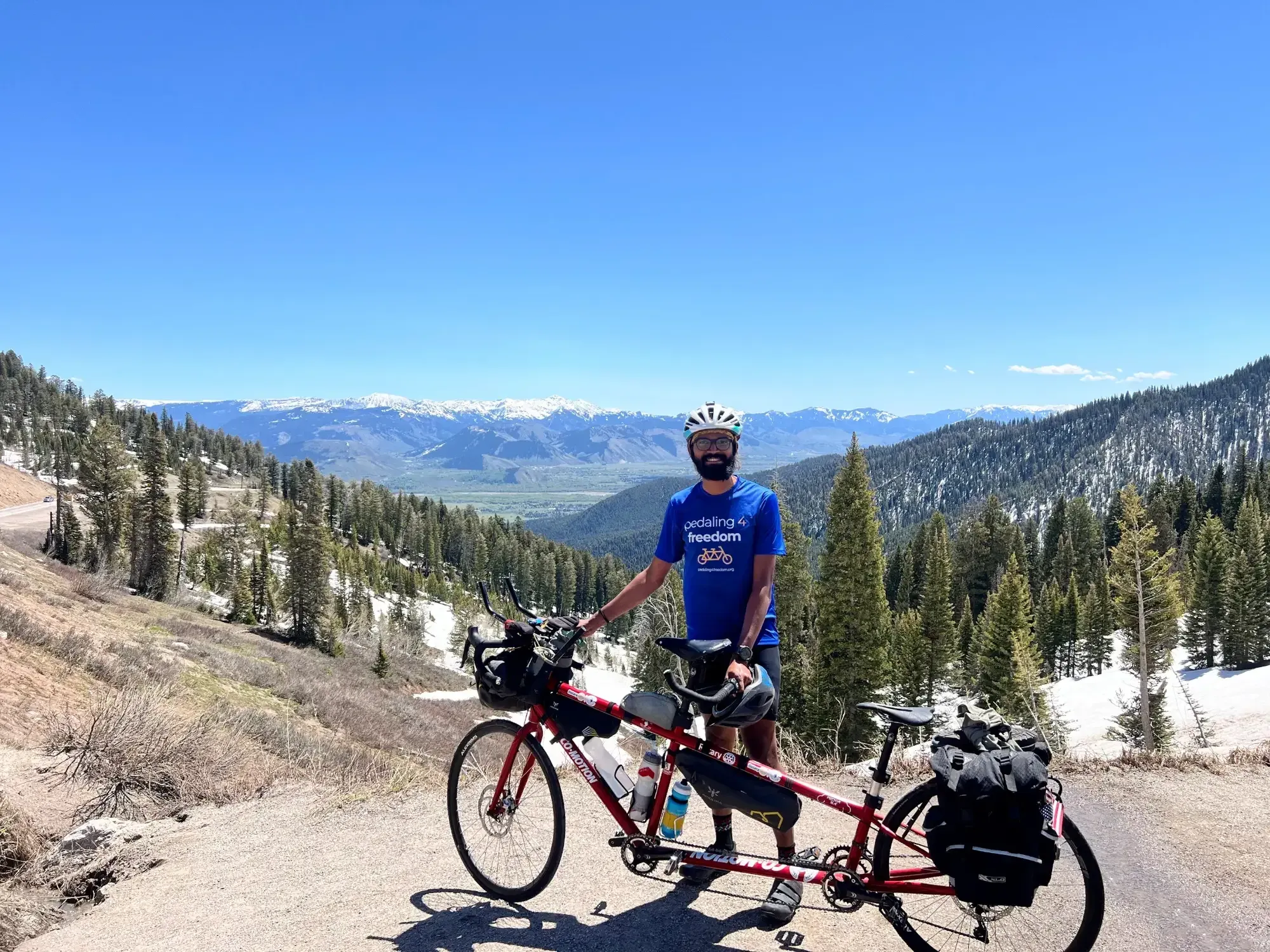
Teton Pass, Wyoming, 2024
A brief timeline
- Engineering studentElectrical and electronics in Chennai. My remote-controlled reconnaissance robot put me on a magazine cover.2000–2004
- Tester to project managerDell, Cerner, Cognizant and VMware: ten years from support and testing to leading projects and releases.2004–2014
- Independent, and on the roadClient projects from New Zealand, India and wherever the road went. Founded Freedom Seat: 17,000+ km by tandem across 15 countries against human trafficking.2014–2020
- ConsultingSolving problems for clients of every kind, from small businesses and a law practice to global race series, with a soft spot for the outdoor industry and endurance events. From first plan to running system.2020–now
Also: ultrarunner, Silk Road Mountain Race finisher, speaker, founder of Freedom Seat, occasional MacGyver.
Have something in mind? Start a conversation, or see what I’m doing now.